The essential retro fighting games span three decades and include Karate Champ, Yie Ar Kung-Fu, Street Fighter II, Fatal Fury, Marvel vs. Capcom 2, Third Strike, and Darkstalkers. If you want the fastest route to playing them, modern collections and preloaded handhelds beat hunting for originals, though collecting still has its place for enthusiasts chasing history and value. Platform options, collecting advice, and buying tips follow below.
TL;DR:
- Modern collections and preloaded handheld devices provide an easy and reliable way to access classic fighting games without hunting for outdated hardware or cartridges.
- The earliest titles like Karate Champ and Yie Ar Kung-Fu serve as historical foundations, highlighting the genre’s evolution from points and referees to complex mechanics.
- Official ports with online features and training modes are ideal for competitive play, while original hardware offers authentic inputs but requires maintenance and risk.
- Collecting original cartridges is rewarding but involves inspecting for damage and understanding market value, with re-releases offering a safer alternative for budget-conscious players.
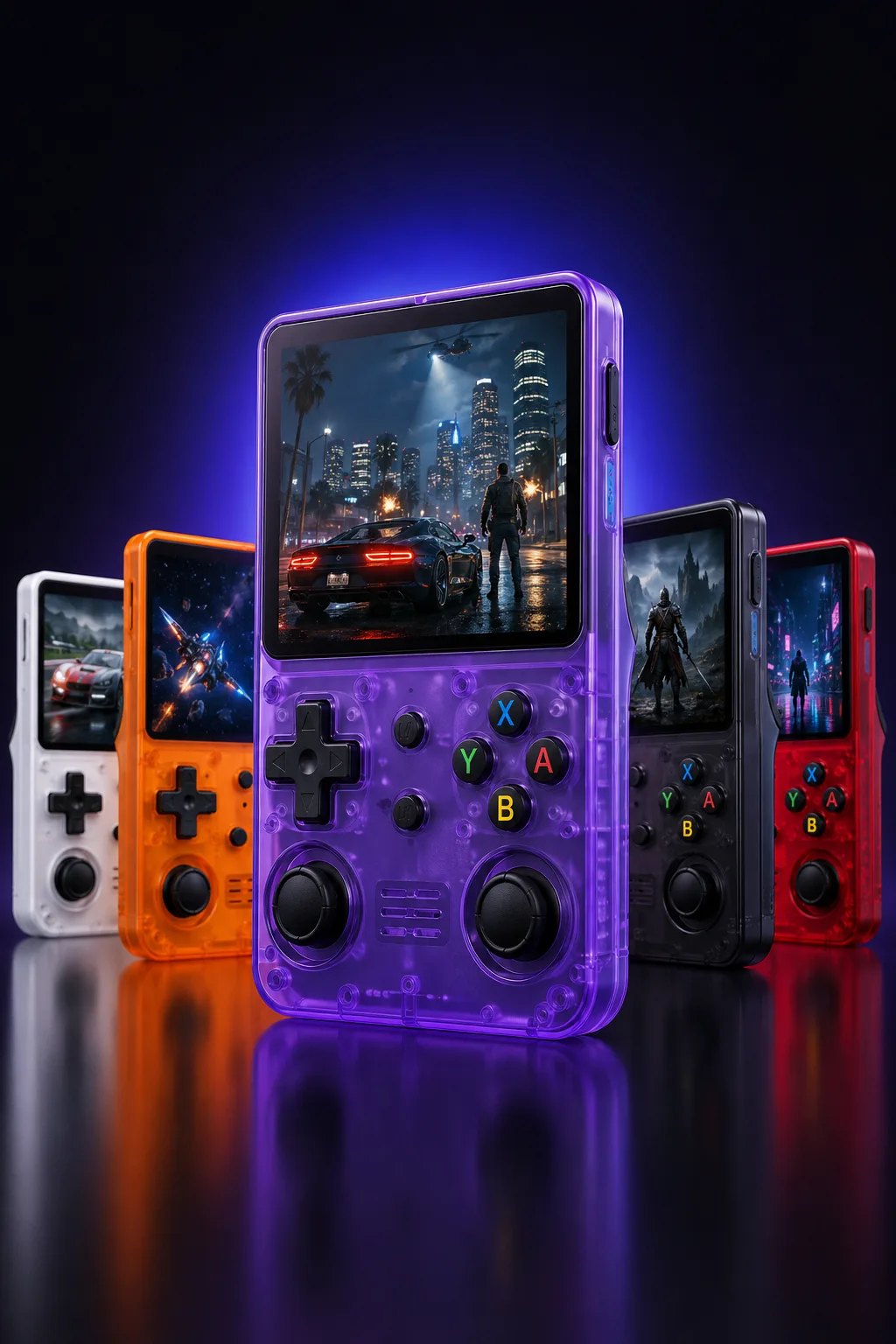
- Retro Pulse delivers instant gameplay through a portable device with a curated library, making classic titles accessible for casual or traveling players.
Table of Contents
- 1. The must-play list every fighting game fan should know
- 2. Where to play these games today without the hassle
- 3. How to build a fighting game collection without getting burned
- 4. Why this genre still matters to me
- 5. Retro Pulse makes the classics playable in minutes
- Sources
- FAQ
1. The must-play list every fighting game fan should know
Fighting games did not start with a health bar and a super meter. They started with a points system, a referee, and two players trying to land a clean hit.
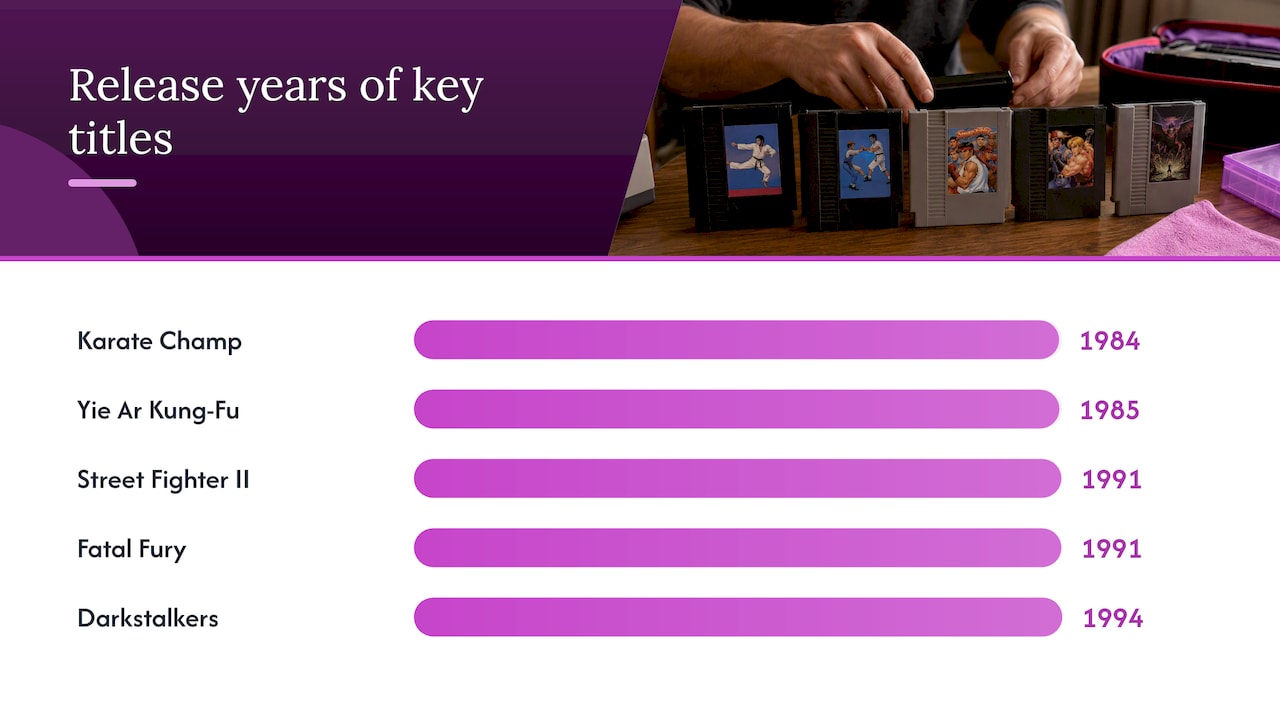
- Karate Champ (1984): the title that made one-on-one fighting a genre. It sold 10,000 arcade cabinets within two months and became the top-grossing arcade game in the United States in 1985. Best played today through an arcade compilation, and best for anyone curious about where the entire genre began.
- Yie Ar Kung-Fu (1985): introduced the health bar and varied character archetypes that Capcom later refined into a formula. Worth playing for historical context more than competitive depth. Good for collectors tracing the roots of modern fighters.
- Street Fighter II (1991): the game that turned fighting games into an arcade phenomenon and set the template still used today: six buttons, special moves, and a roster with real identity. Best experienced through any of Capcom’s anniversary collections. Fits beginners and veterans alike.
- Fatal Fury (1991) and its sequels: SNK’s answer to Capcom, built by Takashi Nishiyama, the same designer behind the original Street Fighter. The rivalry between the two studios pushed both series toward faster, deeper mechanics. Best for players who want to see how competition shaped the genre in real time.
- Darkstalkers (1994): a horror-themed spinoff that introduced air dashes and chain combos ahead of its time. Best for collectors and competitive players who appreciate mechanical experimentation.
- Marvel vs. Capcom 2 (2000): a three-on-three tag fighter with a roster of 56 characters, still referenced in competitive circles decades later. Best played on modern re-release collections rather than original arcade boards, which are expensive and hard to maintain.
- Street Fighter III: Third Strike (1999): widely regarded as one of the most technically demanding fighters ever made, thanks to its parry system. Best for players ready to move past beginner mechanics into frame-precise execution.
Rare finds for collectors: a handful of original fighting game cartridges and arcade boards have become genuinely valuable, with collector reporting flagging specific releases as worth real money on the resale market. If you already own an original Neo Geo cartridge or a complete-in-box Saturn fighter, it is worth checking current listings before assuming it belongs in a bargain bin.
Beginners should start with Street Fighter II or a modern Darkstalkers re-release. Both have forgiving inputs compared to Third Strike, which rewards years of practice before it clicks.
2. Where to play these games today without the hassle
You have three real paths into this catalog: original hardware, modern official ports, or emulation through a preloaded device. Each comes with trade-offs worth knowing before you commit time or money.
Official collections from Capcom and SNK bundle multiple titles with added features like rollback netcode and training modes, though they require a current console and, often, a subscription-free but still separate purchase per collection. Original hardware delivers the most authentic feel, arcade sticks included, but it also means chasing aging CRTs, failing capacitors, and cartridges that were never designed to last 40 years. A preloaded handheld like Retro Pulse sidesteps both problems by running the games offline, with no downloads or setup required once the device arrives.
- Official ports tend to offer the best online play and tutorial support.
- Original hardware offers the most authentic input feel but the highest maintenance risk.
- Preloaded handhelds trade some authenticity for convenience and portability.
Pro Tip: If you plan to play competitively, prioritize a version with rollback netcode over one with delay-based online play, since the difference in feel is significant once you start playing against strangers.
Save states, once considered a novelty, now matter for anyone learning execution-heavy games like Third Strike. They let you practice a single combo repeatedly without resetting a match. Ownership questions also deserve a straight answer: buying a physical original gives you a tangible piece of history, while a preloaded device gives you access without the legal gray areas that surround downloaded ROM collections.
3. How to build a fighting game collection without getting burned
Collecting original cartridges and discs can be rewarding, but the market rewards patience and careful inspection far more than impulse buys.
- Check the cartridge or disc for label wear, water damage, and pin corrosion before buying, since these issues often signal deeper problems.
- Test save functionality and boot behavior in person or ask for a video from the seller whenever possible.
- Compare seller history and return policies on auction sites, since a low price with no return option is rarely a bargain.
- Buy from specialists or local retro shops when you can, since they tend to grade condition more honestly than anonymous online listings.
- Walk away from any listing that describes a “working” board or cartridge without offering proof, since vague wording is the most common red flag in this hobby.
When an original title runs into the hundreds of dollars, a re-release collection or a preloaded handheld often makes more financial sense, especially if your goal is playing the game rather than owning a piece of it.
4. Why this genre still matters to me
I have spent years chasing both extremes of this hobby: the thrill of finding a complete Neo Geo cartridge and the simpler pleasure of just booting up Third Strike on a handheld during a commute. Both experiences are valid, and pretending one is more legitimate than the other misses the point.
Retro Ports built Retro Pulse around that second experience: instant access to a curated library without downloads, subscriptions, or the maintenance headaches that come with original hardware. That approach reflects an offline-first philosophy designed for people who want to play now, not troubleshoot later.
— Sean
5. Retro Pulse makes the classics playable in minutes
Collecting originals takes time, money, and a tolerance for risk that not every fan has. A handheld preloaded with thousands of games from many systems is ready to play the moment it arrives.
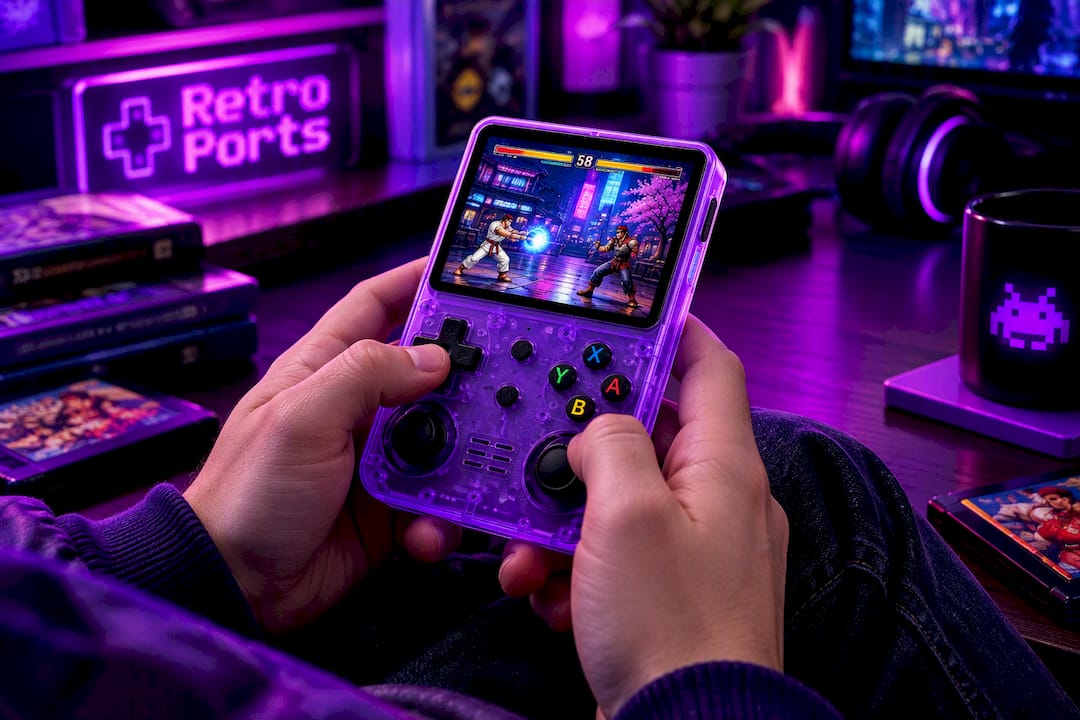
- A 3.5-inch IPS display suitable for handheld gaming sessions.
- A real D-pad with L and R triggers for important inputs in execution-heavy titles.
- A removable battery designed to support several hours of play.
- Offline-first operation, so there is no setup, downloads, or subscriptions required before playing.
- Dual microSD slots allow for expanding the library further.
If you would rather spend your time playing than hunting eBay listings and testing cartridge pins, the Retro Pulse handheld gets you into the catalog instantly. Check availability on the Retro Ports product page and see which bundle fits your collection.
Sources
- Karate Champ – Wikipedia
- Fatal Fury/Garou Densetsu: The ultimate history — Creative Bloq
- The Street Fighter grandfather: How Capcom built an empire on Konami’s blueprints — Philly PI
FAQ
What is the best retro fighting game?
Street Fighter II is the most commonly cited answer because it defined the genre’s modern template and remains playable and enjoyable today. Karate Champ deserves mention as the game that started the format, and Fatal Fury and Darkstalkers stand out for players who want mechanical depth beyond the basics.
What are some popular old fighting games?
Karate Champ, Yie Ar Kung-Fu, Street Fighter II, Fatal Fury, Marvel vs. Capcom 2, and Street Fighter III: Third Strike are among the most referenced titles in fighting game history. Each introduced mechanics or rivalries that shaped how later games were built.
What are the top retro games of all time?
Definitions vary depending on genre, but within fighting games specifically, Street Fighter II, Fatal Fury, and Marvel vs. Capcom 2 consistently appear on enthusiast and collector lists. Karate Champ is frequently included for its historical role even though its mechanics feel dated by modern standards.
What is the OG fighting game?
Karate Champ is generally credited as the game that established the one-on-one fighting format and became a commercial blockbuster in U.S. arcades. Yie Ar Kung-Fu followed closely and added the health bar and character archetypes that later became genre staples.
Can I play these classics without collecting original hardware?
Yes, modern official re-releases and preloaded handhelds like the Retro Pulse let you play these titles without sourcing aging cartridges or arcade boards. Both routes trade some authenticity for convenience, reliability, and lower upfront cost.