For retro players chasing accurate camera and movement control on N64 and PSP-era games, the practical move is picking a retro-first handheld with dependable dual analog sticks. A retro-first handheld with dependable dual analog sticks, and preloaded classic libraries, fits that brief. The checklist below explains why stick quality matters and what to confirm before you buy, based on expert reviews.
TL;DR:
- Dual analog sticks are essential for accurate camera and movement control in early 3D titles like N64 platformers and PSP shooters, especially for long gaming sessions.
- Hall-effect (magnetic) stick sensors outperform potentiometers for durability and resistance to drift, making them ideal for extensive retro gaming.
- Confirming stick layout and ergonomics before purchase is crucial, as some devices do not allow post-sale customization and small nubs may cause fatigue.
- The preloaded library of about 15,000 games and a removable battery on Retro Pulse offer immediate play and extended sessions, particularly useful for travel.
- For long-term comfort and hardware longevity, larger Hall-effect sticks and a device with replaceable batteries outweigh cheaper models with smaller, standard sticks.
Table of Contents
- Why dual analog sticks matter for retro and early-3D games
- Buyer checklist for stick tech, layout, ergonomics, and battery
- How dual sticks translate to real gameplay across N64, PSP, and DS-era titles
- How Retro Pulse fits the dual-stick buyer checklist
- Get set up with Retro Pulse
- A straightforward take on dual-stick handhelds
- Sources
- FAQ
Why dual analog sticks matter for retro and early-3D games
Games built for early 3D hardware, think N64 platformers, PS1-era action titles, and PSP shooters, were designed around two separate control inputs: one stick for character movement, one for camera. A single stick or a D-pad forces you to choose between walking and looking around, which turns games like collectathon platformers or dungeon crawlers into a fight with the controls instead of the level design.
Genres that benefit most:
- Platformers with free-roaming cameras, where a second stick lets you frame jumps properly.
- Action-adventure titles with lock-on combat, where camera control decides whether you can see what is hitting you.
- FPS-style ports, where independent aim and movement are close to mandatory for playability.
Not every retro library needs two sticks. Some DS and 3DS titles rely on touch input or a second screen for menus and puzzles, and no amount of analog control substitutes for that hardware.
Pro Tip: Before buying, check whether the games you actually want to play used a second analog stick on their original hardware, since 2D libraries rarely need one.
Buyer checklist for stick tech, layout, ergonomics, and battery
Handheld shopping gets easier once you separate marketing language from the handful of specs that actually affect gameplay.
- Stick sensor type: Hall-effect (magnetic) sticks resist long-term drift better than traditional potentiometer sticks, which are cheaper but wear out faster and are more common at lower price points.
- Layout confirmation: some manufacturers swap the front shell at the factory rather than letting you rearrange sticks after purchase, so confirm the D-pad and stick layout before checkout.
- Ergonomic details: stick diameter, throw distance, cap shape, and shoulder button placement decide whether hour-long sessions feel fine or start to hurt your thumbs.
- Price band expectations: devices in the budget range typically use smaller nub sticks adequate for short play but less comfortable over long 3D sessions, according to a review of a budget vertical handheld.
- Battery and software: a removable battery extends play sessions without hunting for an outlet, and mapping flexibility varies by launcher, so check what the software supports before you commit.
Larger, Hall-effect sticks are increasingly positioned as a durability upgrade over standard potentiometer sticks in newer handhelds, according to a review of a recent flagship device, because magnetic sensors do not physically wear down the way resistive ones do.
How dual sticks translate to real gameplay across N64, PSP, and DS-era titles
Specs only matter once you map them to the games you plan to play.
- N64 titles depend on precise camera repositioning during platforming and combat. Budget sticks unlock this playability, but small nubs can tire your thumb faster during long sessions, per a budget handheld review.
- PSP and PS1-era games often used a second stick for camera control or mapped an unused input to analog triggers, which changes the feel of racing and shooting titles considerably compared to D-pad-only play.
- DS and 3DS titles built around touch input or dual screens are not fully replicated by dual sticks alone. A second analog stick helps with camera-heavy 3D games on that hardware but cannot substitute for a touch panel or second display.
- Budget versus flagship trade-offs come down to comfort over time: small nub sticks handle short sessions fine, while larger Hall-effect sticks reduce fatigue and drift risk on longer play, based on hands-on stick comfort commentary.
Matching stick hardware to your actual game list, rather than chasing the newest sensor type, is the more useful buying question for most retro-first shoppers.
How Retro Pulse fits the dual-stick buyer checklist
Retro Pulse addresses several friction points that come up repeatedly when shopping for a retro-first handheld. It ships preloaded with roughly 15,000 games across more than 20 systems including NES, SNES, and PS1, on the product listing, which removes the setup and download hurdle that trips up first-time buyers. The 3.5-inch IPS display gives a clear picture for both 2D sprite work and early 3D titles, and the removable battery means you can carry a spare instead of waiting out a recharge mid-session.
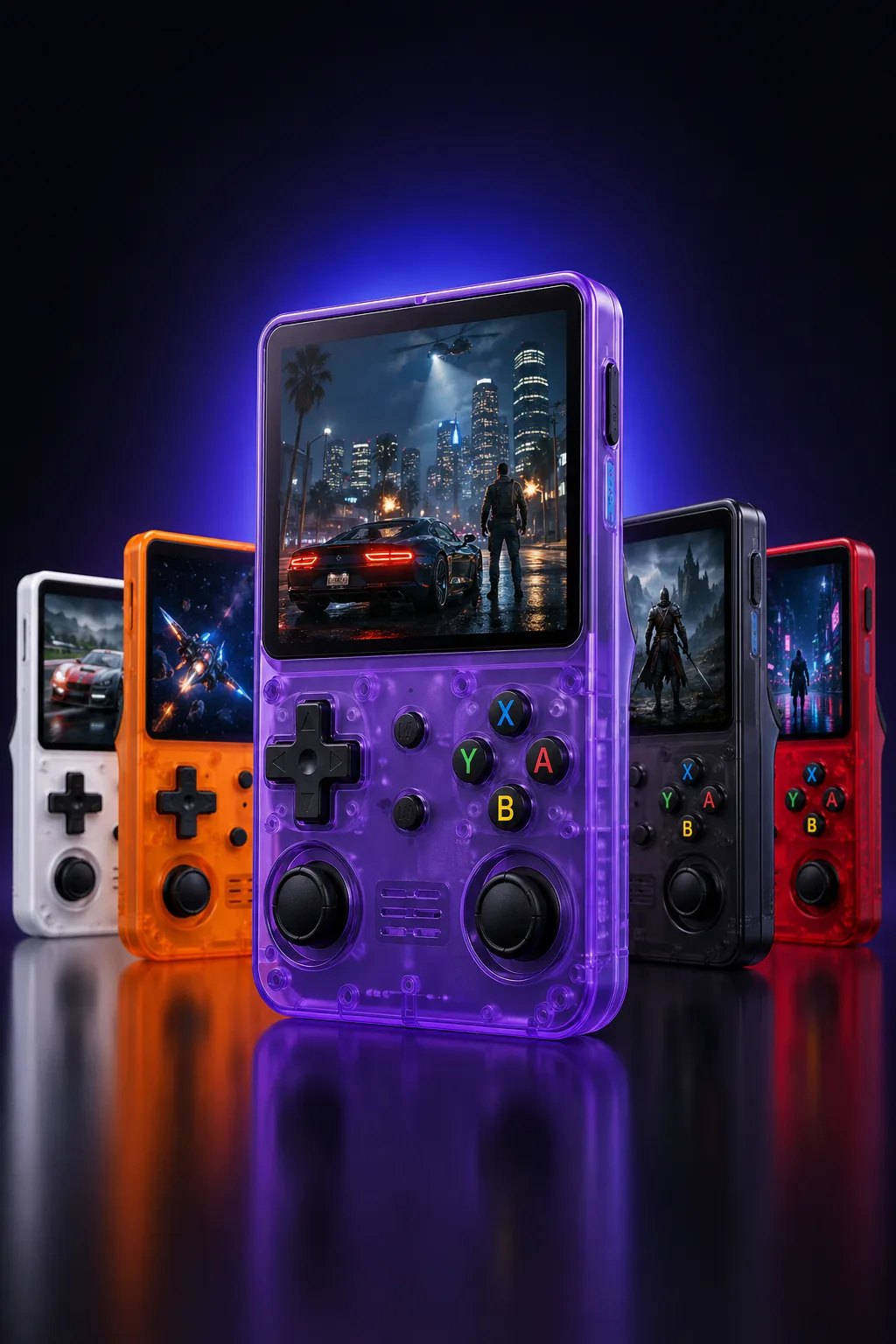
Shipping from a U.S. warehouse cuts down the long delivery windows and inconsistent quality control common with overseas-only suppliers, and the one-year warranty plus 30-day return window gives buyers a way to test the device risk-free. The offline-first design also means no subscriptions or account setup standing between you and the games, which matters for anyone who just wants to hand a console to a kid or pick it up on a commute.
Get set up with Retro Pulse
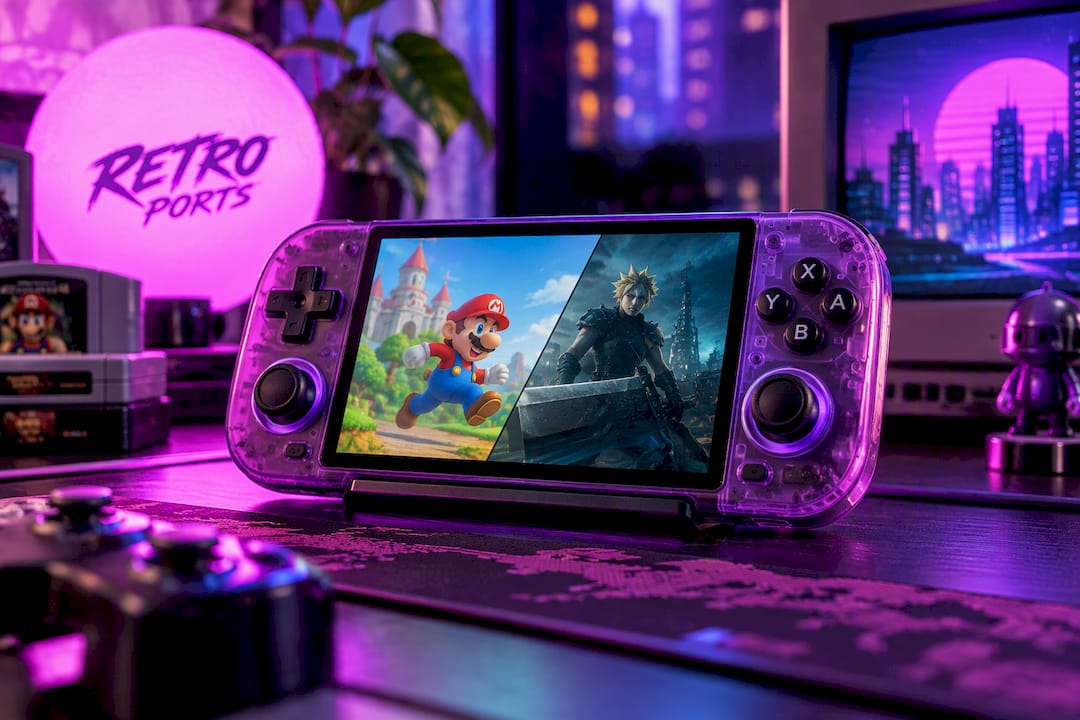
Some handhelds pair a preloaded library of roughly 15,000 games with a 3.5-inch IPS display and a removable battery, so users can start playing NES, SNES, and PS1 favorites the moment the device arrives. Shipping from a U.S. warehouse and being backed by a warranty, these devices are built for retro fans who want fewer setup steps and a straightforward return policy if something is not right.
- Pick a bundle with a spare battery if you plan on long trips or commutes without charging access.
- Add a microSD card if you want room to expand beyond the preloaded library.
- Check the product page for current shipping details before ordering.
Ready to see the full spec sheet and warranty terms? Visit the Retro Pulse product page to check availability.
A straightforward take on dual-stick handhelds
Dual sticks are worth prioritizing if you play N64, PSP, or PS1-era 3D games regularly, but they are not a universal upgrade for every retro library. If you are on a budget, a handheld with smaller sticks still unlocks those libraries for casual play. If you want balance, look for larger sticks with good throw. If you play for hours at a stretch, Hall-effect sticks and a removable battery are worth the extra cost. Check the specs and warranty terms before you buy.
— Sean
Sources
- Retroid Pocket 6 relaunch coverage
- Anbernic RG40XXV review | Held Games
- Retroid Pocket Nova review
- Evercade Dual Thumbstick wireless controller review — GamesRadar
FAQ
What is the best dual-screen handheld console?
Dual-screen handhelds are a different device class from dual-analog handhelds, built around DS and 3DS libraries that rely on touch input and a second display rather than a second stick. If dual-screen play is your priority, look for a device built specifically around that hardware rather than a single-screen dual-stick console.
What is a good 2-player game console for TV?
Look for a handheld or console with reliable video output and a controller setup that supports two independent players, since many retro libraries were designed for split-screen or pass-and-play sessions. Confirm the device supports the output method your TV setup needs before buying.
Which handhelds have detachable controllers?
Some modern retro handhelds use detachable or swappable controller modules, though many budget and mid-range devices instead offer factory-fixed layouts chosen at the time of purchase, as seen with the Retroid Pocket 6 relaunch. Always confirm whether a layout is adjustable after purchase or locked in at checkout.
What is the best handheld Game Boy console?
There is no single verified “best” answer, since the right pick depends on whether you want original hardware or a modern emulation-focused handheld. For a modern option preloaded with classic libraries including Game Boy and GBA titles, Retro Pulse ships ready to play without downloads or subscriptions, per the product listing.